The Technology Behind Live Video
To understand how to download streams, it helps to first understand how streaming technology works. Streaming is the process of transmitting audio and video data over the internet in real-time, allowing users to watch content as it is delivered rather than downloading the entire file first.
The Streaming Process
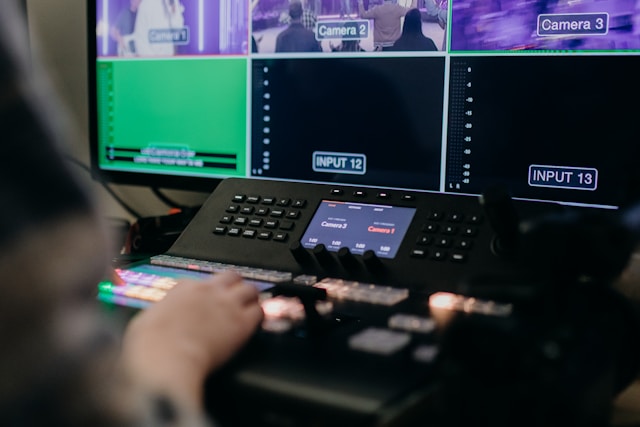
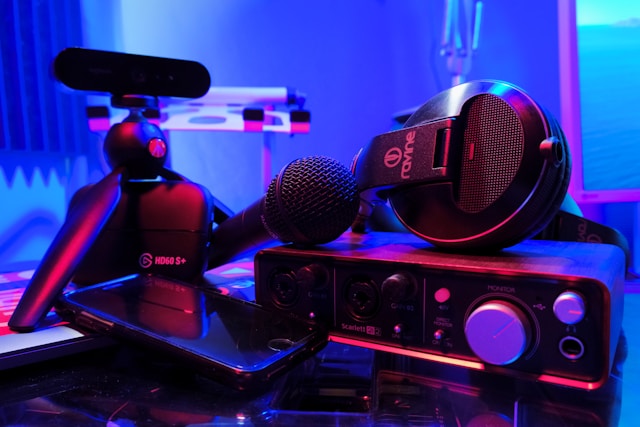
When a stream is broadcast, the video and audio are captured by a camera and microphone. This raw data is then encoded into a digital format using a codec like H.264 or H.265 for video and AAC for audio. The encoded data is then compressed to reduce its size for efficient transmission.
The compressed data is broken into small pieces called packets. These packets are sent over the internet using protocols like TCP/IP or UDP. At the viewer’s end, the packets are reassembled, decoded, and played back in real-time by a media player.
Adaptive Bitrate Streaming
Most modern streaming platforms use adaptive bitrate streaming (ABR). This technology automatically adjusts the quality of the video based on the viewer’s internet connection speed. If the connection is fast, the stream delivers high-quality video. If the connection slows down, the quality drops to prevent buffering.
ABR works by encoding the same video at multiple quality levels, each with its own bitrate. The player switches between these versions seamlessly as conditions change. This is why streams can start at low quality and gradually improve.
Common Streaming Protocols
Several protocols are used to deliver streams over the internet. HLS (HTTP Live Streaming) is the most common, developed by Apple and widely supported across platforms. DASH (Dynamic Adaptive Streaming over HTTP) is an open standard used by many services. RTMP (Real-Time Messaging Protocol) is often used for the initial broadcast from a camera or encoder.
How Downloading Works
Downloading a stream involves capturing the packets of data as they arrive and saving them to a local file. This is more complex than downloading a regular file because streams are delivered in fragments. Download tools must assemble these fragments in the correct order and then combine them into a playable format like MP4 or MKV.
Challenges in Downloading
Stream downloading presents several challenges. Encryption protects content from unauthorized access. DRM (Digital Rights Management) systems prevent copying. Fragmented delivery means tools must handle many small files. And timing is critical, as some streams are only available for a limited period.
Despite these challenges, many tools have been developed to overcome them, making stream downloading accessible to anyone.